2 July 2026
If you have been seeing shocking videos on WhatsApp and Instagram lately - cockroaches inside freezers, houseflies sitting on raw meat, old chicken being reused again and again - you are not imagining things. Hyderabad, a city known all over the world for its biryani and its food culture, is going through one of the biggest food safety clean-up drives it has ever seen. This is not a one-time news story that will disappear in a few days. It is a big, ongoing operation, and new raids are still happening even today.
For many years, food inspection in Hyderabad was handled by a small, overworked team under the Greater Hyderabad Municipal Corporation, commonly known as GHMC. This has now changed. A special team called H-FAST, which stands for Hyderabad Food Adulteration Surveillance Team, has been formed to take strict action. H-FAST works closely with the local police and food safety officers, and sometimes even with veterinary doctors, to carry out surprise raids. These raids usually happen without any warning, often at night or on weekends, and mostly based on tip-offs from the public or informers. Earlier, restaurants were mostly given a warning slip and told to improve. Now, H-FAST is taking much stronger action - seizing spoiled food on the spot, shutting down illegal shops, and in serious cases, getting the owners arrested and booked under the law.
To understand why this crackdown is happening, it helps to look at how big and how poorly monitored Hyderabad's food business really is. The food and restaurant industry in the city earns more than ten thousand crore rupees every year. There are close to seventy-five thousand eateries in Hyderabad, out of which about twenty-five thousand are properly licensed, while nearly fifty thousand are small, unorganized street food stalls with almost no formal checking at all. Even more surprising is that despite Hyderabad being known globally as a food city, less than two percent of its licensed restaurants have taken a proper hygiene rating from the food safety authority. This is the lowest number among major Indian cities. In comparison, Delhi has thousands of certified restaurants, and Bengaluru also has a much higher number. Before H-FAST started its work, the city was doing fewer than ten thousand inspections a year, which means most restaurants in Hyderabad were never checked properly in a given year. This was mainly because the city had fewer than twenty active food safety officers trying to manage tens of thousands of kitchens that run all day and night. On top of that, there is only one shared government food testing laboratory for the entire state, which makes it very hard to test food samples quickly. This lack of checking has had a real cost on people's health too, with the city seeing thousands of cases of stomach infections and food poisoning every year linked to unsafe food.
When H-FAST actually started inspecting restaurants, the results were shocking. In recent city-wide checks, more than eighty percent of the restaurants and cafes that were inspected were found with serious hygiene problems and were given improvement notices. In one single day, more than one hundred and forty kilograms of spoiled meat was seized during a state-wide meat inspection drive. In another raid, more than three hundred and fifty kilograms of frozen, spoiled chicken was found being stored in dangerous conditions at a big poultry supplier.
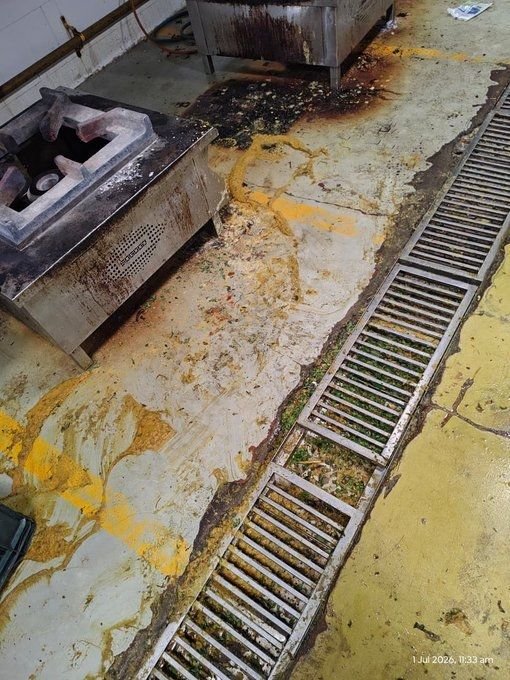
Some of the city's most famous and trusted restaurants have also come under the scanner. At Shah Ghouse in Gachibowli, inspectors found houseflies all over the cooking area, dirty meat-cutting sections, and blocked drains full of food waste. The restaurant was given an improvement notice and scored just sixty-five percent on hygiene. At Mehfil in Hitech City, officials found a very small and cramped kitchen, water collecting on slippery floors, and rumali roti being made inside an unfinished, dusty construction area. That particular section was shut down immediately. At The Spice Kitchen in PNR Empire, cockroaches and pests were found inside freezers and dry storage, and raw chicken was found lying unwrapped and touching vegetarian food items, which is a serious risk for spreading germs. At Palamuru Grill in Kondapur, inspectors found food labels that had been changed to show wrong dates, expired mushrooms still being used, rusted freezers, and no proper hot water system to clean utensils. This restaurant also received an improvement notice with a hygiene score of sixty percent. At Bahar Cafe and Brown Bear Bakery in Madeenaguda and Kukatpally, officials found unwashed eggs being stored, pigeons roaming freely in the raw material storage area, and baked items being sold without any printed manufacturing or expiry dates.
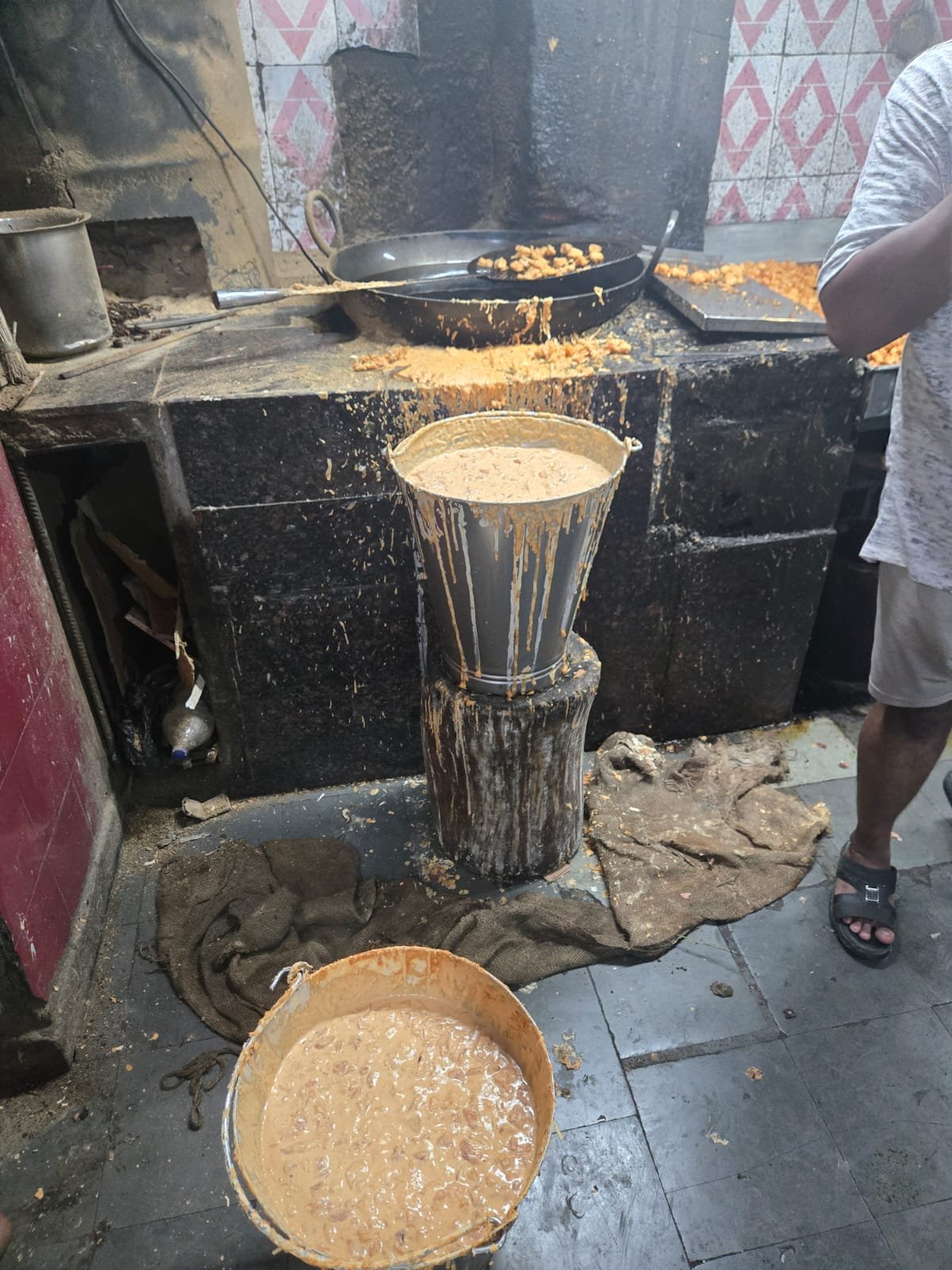
It is not just big restaurants that have been caught. In early June, a joint team of H-FAST, food safety officials, and local police raided a chocolate making unit in Old Mallepally. The owner was found selling chocolates without proper labels showing manufacturing and expiry dates, and was also using an old, mismatched food safety licence. There were no pest control records and no medical fitness certificates for the workers. More than two hundred kilograms of chocolates and sweets were seized, along with expired flavouring chemicals, and the owner was arrested and handed over to the police. Around the same time, an illegal bakery in Attapur was raided, where some sweets, including Gulab Jamun, were found to be already expired, and the person running the bakery was caught and handed over to officials.
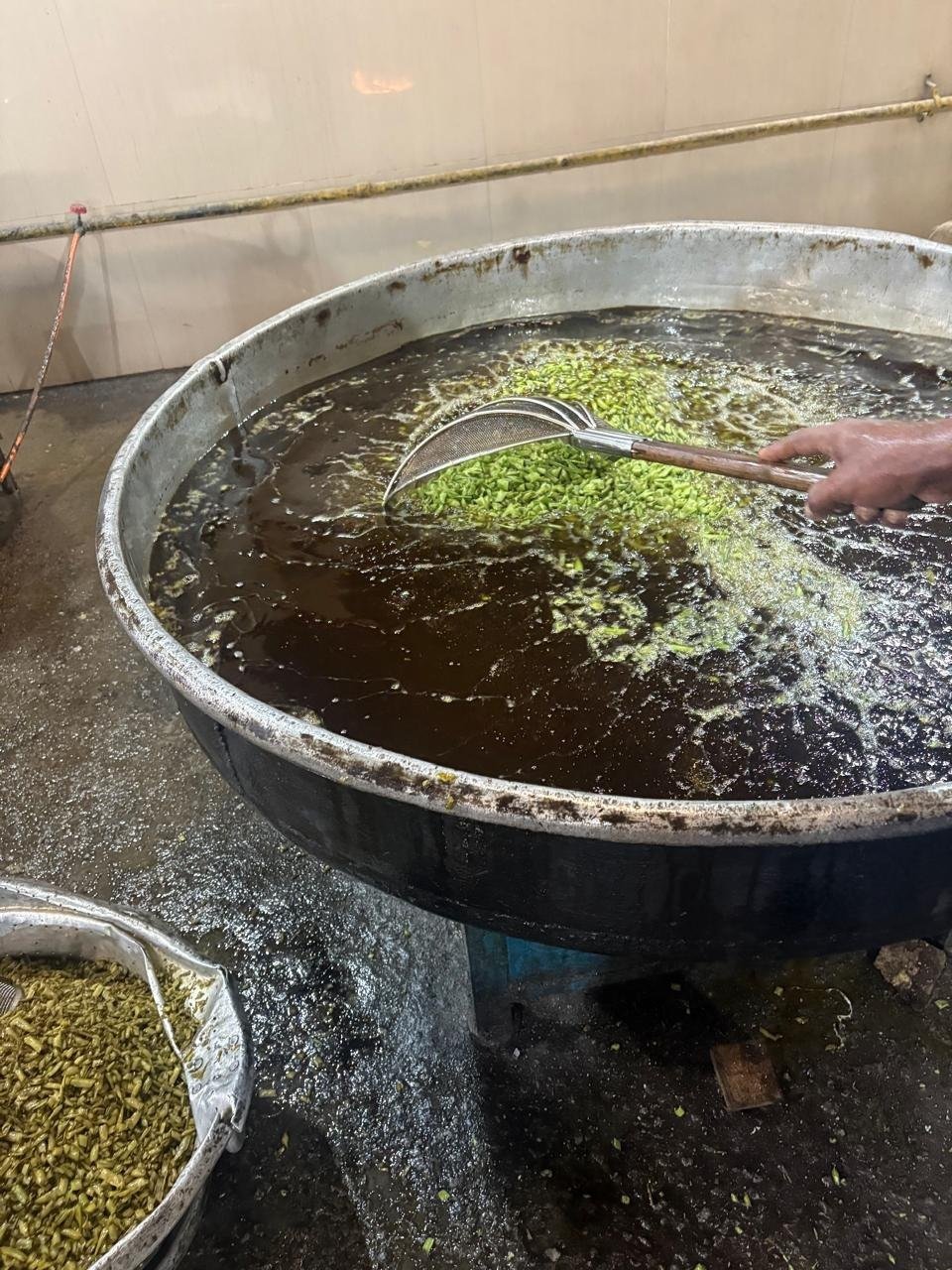
One of the more worrying raids happened at an unlicensed fast food godown near Charminar, in an area called New Laad Bazar. This place was running completely without any food safety licence. Officials found around one hundred and ten kilograms of fried chicken and ninety litres of cooking oil that was being reused again and again for frying, which experts say can create harmful chemicals linked to long-term liver damage. Even more concerning, the owners were using food colours that are banned for use in food, just to make the items look more attractive. These banned colours can cause allergies and other harmful health effects. Two people were arrested in this raid, and a criminal case was registered against them.
Dairy products have also been a major problem area. In one large operation, H-FAST seized around eight hundred and twenty-five kilograms of adulterated paneer from forty-five shops and eight manufacturing units in a single day. In an earlier and even bigger raid in Secunderabad, officials seized close to four thousand kilograms of dairy products worth more than eleven lakh rupees. Paneer, khoa, cream, ghee, and other sweets were all found stored in open plastic covers, completely exposed to dust and flies, with no labels showing when they were made or when they would expire. These items were being sold at a high price to hotels and regular customers as if they were fresh, high quality products. Even modern quick delivery services have not been spared, as a dark store belonging to a well-known delivery app was found to have rats and cockroaches on its premises. In one of the most recent raids, just a day or two ago, a paratha making unit in Tadban was found to have a serious housefly problem, and its packets were stamped with a manufacturing date that was two days ahead of the actual date the parathas were made. When questioned, the owners said this was done to manage their supply chain smoothly, but officials refused to accept this explanation and said it was simply not allowed.
Experts who have studied this problem say there are a few main reasons why these bad practices continued for so long without being caught. First, most kitchens in the city do not follow the basic rule of using older stock before newer stock, which means old meat and food often get pushed to the back of freezers and start rotting while fresh stock is used first. Second, there is very little separation between raw and cooked food in many kitchens, especially in busy biryani restaurants, which allows harmful bacteria to spread easily from raw meat to other food items. Third, and perhaps most importantly, the city simply did not have enough food safety officers to check even a small fraction of its restaurants regularly, which allowed unsafe habits to become normal over the years. Finally, having just one food testing lab for the whole state made it very difficult to test samples and take quick action even when problems were suspected.
The punishment for these violations depends on how serious the problem is. For smaller issues, restaurants are usually given an improvement notice with a deadline to fix things, sometimes along with a hygiene score, as seen with Shah Ghouse and Palamuru Grill. For more serious problems, such as running without a licence, selling expired food, or using banned chemicals, the food is seized immediately, a criminal case is registered under the food safety law, and the owners can be arrested, as happened in the chocolate factory case and the Charminar godown case. For businesses that repeat these mistakes or are found to be extremely careless, authorities are now moving towards even stronger punishment, including cancelling their trade licence completely and shutting them down.
The real reason all this is coming out now is not that Hyderabad's food suddenly became unsafe overnight. The problems were likely there for a long time. What has changed is that the state government has finally decided to take strict action by forming a proper task force with real power to seize goods, register cases, and make arrests on the spot, instead of just writing a report that nobody follows up on.
While it can feel disturbing to read about all these unhygienic conditions in restaurants people have trusted for years, there is also a positive way to look at this situation. This is what real accountability looks like after years of very weak checking. A city that has built its reputation around its food is now being forced to make sure that reputation is backed by clean and safe kitchens, and not just good taste and marketing. For ordinary citizens, the simple advice from officials is to always check for a valid food safety licence before eating out, to look for hygiene ratings where they are available, and to report any restaurant or food shop that looks unsafe. The Hyderabad Police has also urged people to use their official helpline to report such cases. Since these raids are still continuing, more such stories, numbers, and videos are likely to come out in the coming weeks, and Hyderabad's food industry is now being forced to learn an important lesson, that great taste alone cannot make up for poor hygiene.