Report
Hydrogen Train: India’s ‘Made-in-India’ Pride or Imported Tech in Disguise?
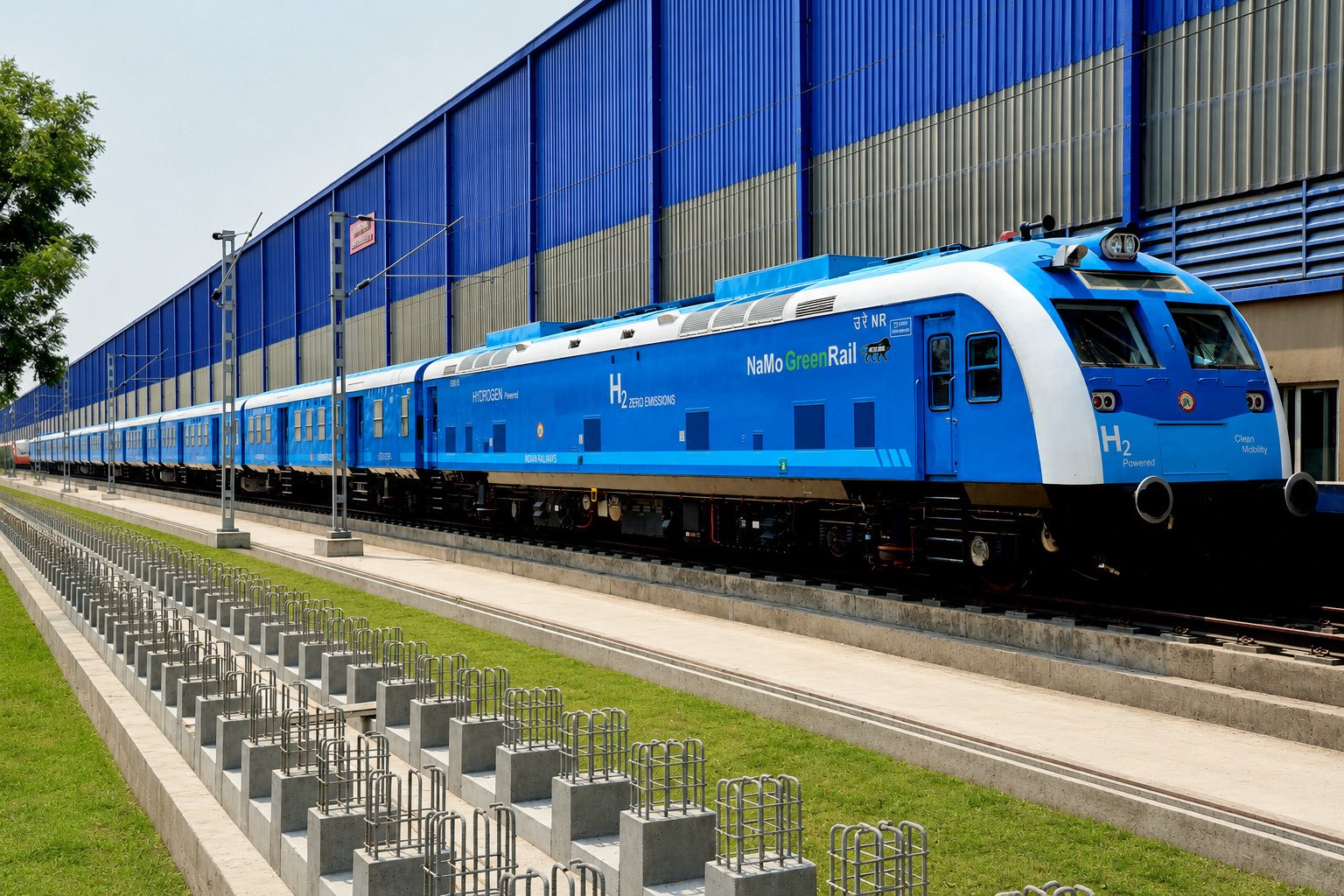
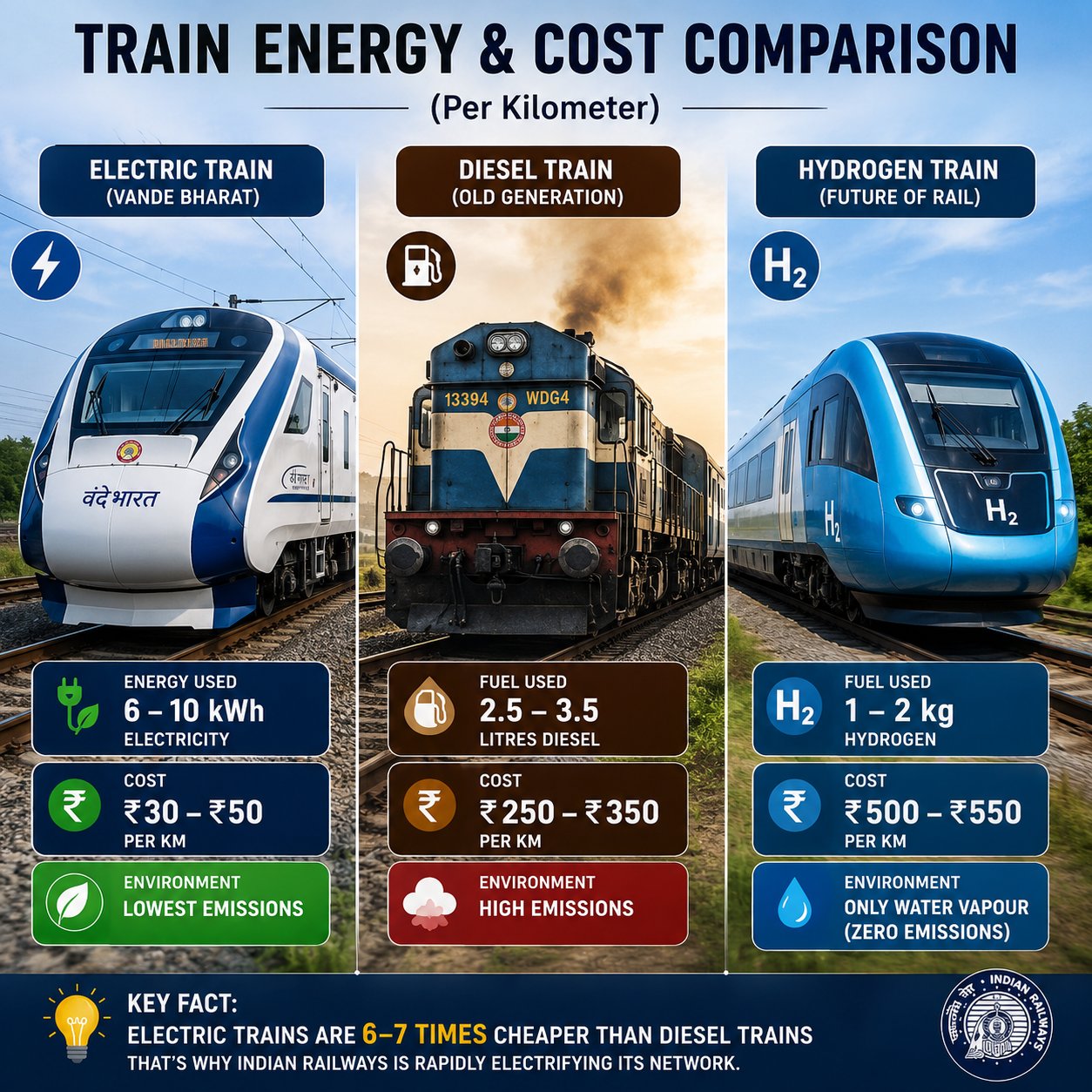
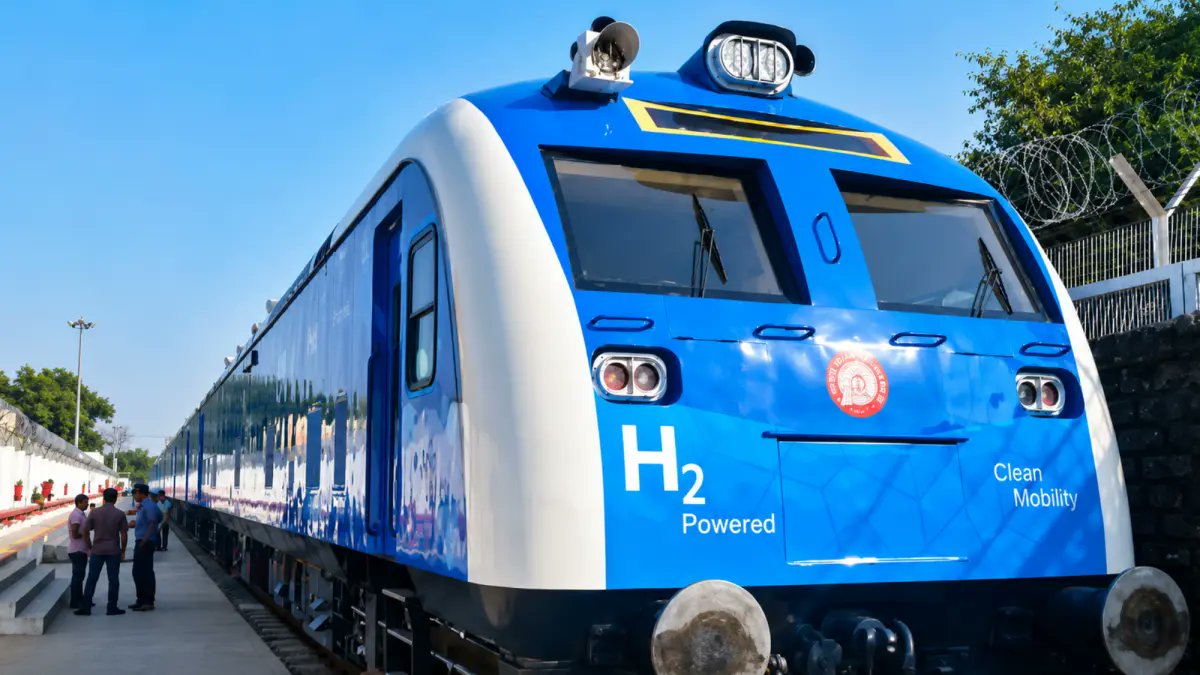
On July 17, 2026, Prime Minister Narendra Modi flagged off India’s first hydrogen-powered train at Jind in Haryana, marking a major step in Indian Railways’ push for clean, green mobility. The train runs on the 89 km Jind–Sonipat route with 10 stops, using 10 coaches (2 power cars and 8 passenger coaches), carrying around 2,600 passengers at a maximum operational speed of 75 km/h. It runs on hydrogen fuel cells that generate electricity on-board, emitting only water vapour, making it a zero-emission alternative to diesel trains.
However, although the train is branded as “Made in India,” its core technology is not fully Indian. The train body, integration, and hydrogen refuelling infrastructure are Indian, built by Integral Coach Factory (Chennai) and Hyderabad-based Medha Servo Drives, with a green hydrogen plant at Jind developed by GreenH Electrolysis. But the critical fuel-cell stack, membranes, catalysts, gas diffusion layers, and high-pressure hydrogen tanks are imported-assembled in India but not manufactured here. Reports confirm the fuel-cell modules come from Canada’s Ballard, and India currently lacks commercial-scale domestic capability for these parts.
Despite the high cost-around $10 million per train plus $8-9 million for infrastructure India is moving ahead for strategic reasons: cutting carbon emissions, reducing diesel imports, and building long-term expertise in hydrogen technology. Indian Railways aims to be net-zero by 2030, and hydrogen trains are ideal for non-electrified, hill, and heritage routes where overhead wires are hard to install. The government plans about 50 hydrogen trains by 2047, starting with pilots like Jind-Sonipat, to test safety, operations, and localisation potential.
In short, India’s hydrogen train is a technology demonstrator with an Indian body and imported heart. It’s costlier now, but meant to build capability, reduce fossil fuel dependence, and prepare for a cleaner, more self-reliant rail future.