Report
India's E20 Petrol Story: A Good Idea That Is Now Creating Problems
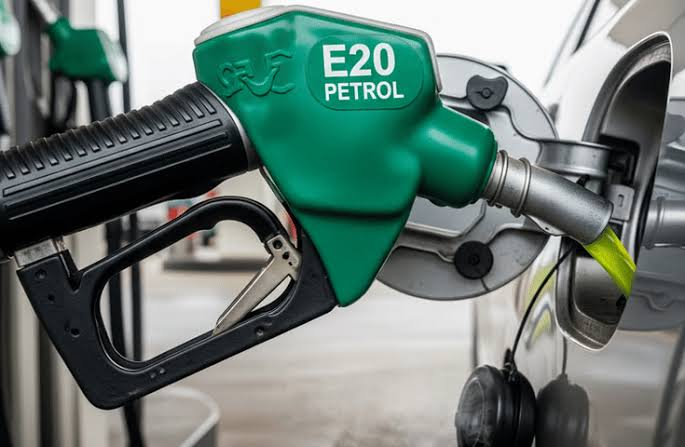
For some years now, the petrol you put in your bike or car has not been pure petrol. The government has been mixing ethanol (a fuel made from sugarcane, maize, and rice) into it. Right now, most petrol in India is "E20" - meaning 20 parts ethanol mixed with 80 parts petrol. The government did this for good reasons: India spends huge money buying crude oil from other countries, and this mixing reduces that spending, gives farmers extra income, and cuts down pollution. But in 2026, this plan has started causing real problems - for your car, for your kitchen, and even in the courts.
In June 2022, India reached 10% ethanol mixing in petrol - five months earlier than the target. After that, it kept increasing every year: about 12% in 2022-23, nearly 15% in 2023-24, and touching 19-20% by mid-2025. The government says this has saved the country more than ₹1.44 lakh crore that would otherwise have gone abroad to buy crude oil, and farmers have been paid more than ₹1.25 lakh crore for supplying sugarcane, maize, and grains for ethanol since 2014. On paper, this sounds like a big win.
But now there is a court fight over it. On 30 June 2026, the Supreme Court had to step in and freeze the current ethanol supply arrangements, after one oil company (BPCL) objected to a Karnataka High Court order that could have disturbed how ethanol is distributed among suppliers. In court, the government itself admitted that the E20 programme is still an "ongoing experiment" - meaning even the government isn't fully sure yet how it will play out. This tells you that ethanol has become such a big business now that even small disputes can affect fuel supply for the whole country.
Now come to the part that affects your kitchen. Earlier, ethanol was mostly made from sugarcane and its by-product, molasses. But now, about 65% of India's ethanol comes from maize and rice instead. The problem is that maize and broken rice are also used to feed chickens, cows, and buffaloes. So if more maize and rice go into making fuel, less is left for animal feed - and that can push up the price of eggs, chicken, and milk. This is exactly how a fuel policy for your vehicle ends up affecting your food bill.
Sugar is facing a similar squeeze. India used to be one of the world's biggest sugar exporters, selling nearly 6.8 million tonnes abroad every year. But because more sugarcane is now being used for ethanol, and weather patterns (El Nino) may also hurt the sugarcane crop, India may have very little sugar left to export for the next three years. In fact, the government has already banned sugar exports until 30 September 2026, purely to make sure there's enough sugar for Indian households and prices don't shoot up. This shows the government's real priority: first make sure there's enough food for Indians, then worry about fuel, and exports come last.
Now, the question every vehicle owner is asking - does E20 reduce mileage? The honest answer from the government itself is yes, a little. Ethanol has less energy than pure petrol, so your vehicle covers slightly fewer kilometres on the same amount of fuel. For vehicles that have been adjusted for E20, the drop is usually small - around 1-2%. But for older vehicles not properly adjusted, the drop can be 3-6%, and some studies had earlier warned it could even be higher, up to 6-7% in cars and 3-4% in two-wheelers. This might sound small, but if you fill petrol in your bike or car every week, even a 5% mileage loss adds up to real extra money spent every month - while the fuel price stays the same.
There have also been a lot of rumours on WhatsApp and social media about E20 - that it attracts ants, that it has actual sugarcane juice in it, that it damages engines, or that using it cancels your vehicle insurance. The government and oil companies have clearly said all of this is false. Ethanol used in fuel is specially processed and has no sugar left in it, doesn't attract insects, doesn't damage engines, and does not affect your insurance in any way. So if you've heard these things, you can safely ignore them.
At the same time, the government is already planning what comes after E20. In June 2026, it removed tax on even higher ethanol blends - E22, E25, E27, and E30 - meaning in the future, petrol could have even more ethanol mixed in it. But this won't happen overnight, because these fuels aren't available at petrol pumps yet, and the government has asked a research body (ARAI) to first test how a 25% ethanol blend affects existing vehicles - checking mileage, engine health, and long-term durability. This testing will take time, with a full report expected only by the end of next year.
So who is happy with all this, and who is worried? In villages, this is a good news story - farmers are getting steady income for sugarcane, maize, and other crops, sugar mills are getting better cash flow to pay farmers, and new distilleries mean new jobs in rural areas. But in cities, people are more worried - about their vehicle running fewer kilometres per litre, about whether their old car or bike can handle this fuel well, and about food prices going up because animal feed is getting costlier. This gap between rural benefit and urban worry is exactly what opposition parties are using to criticise the government.
The bottom line is this: India genuinely cannot stop using ethanol, because buying all its fuel from abroad puts pressure on the rupee and costs the country a lot of foreign money. Ethanol genuinely helps with that, and helps farmers too. But the government also cannot push this programme too fast without caring about ordinary people - because if food gets expensive and vehicles start giving less mileage without any relief for consumers, people's patience will run out. The real test for the government now is simple: can it keep expanding ethanol use while being honest about mileage loss, protecting food prices, and making sure vehicles are actually ready before pushing even higher ethanol blends? If it manages this balance well, E20 remains a genuine success story. If it doesn't, a plan that started as good news could easily turn into a source of public anger.