Monday, 31 August 2026 The Independent Journalist · Fact-based reporting Edition: India
The Independent Journalist
Top Story

Featured Report

Day Will Turn To Night For 6 Minutes! World To Witness 'Once-In-A-Century' Total Solar Eclipse On August 2, 2027

​Get ready for a rare celestial spectacle that human beings will not see again for another hundred years. On August 2, 2027, the sky will suddenly turn pitch black during daytime for over six full minutes. Scientists and astronomers across the globe are calling this upcoming event the "Eclipse of the Century" because of how long the complete darkness will last over land. Globally, the peak moment of this historic total eclipse will occur at around 3:37 PM Indian Standard Time (IST).

​A total solar eclipse happens when the moon passes directly between the Earth and the sun, completely blocking the sun's light from reaching us. While normal solar eclipses usually last for only two to three minutes, this special event will block the sun for a massive six minutes and twenty-three seconds at its peak. During this brief period in the path of total darkness, daytime temperatures will drop instantly, streetlights will automatically turn on, and bright stars will become visible right in the middle of the afternoon.

​The path of complete darkness will travel across parts of Southern Europe, North Africa, and the Middle East, with Egypt getting the absolute best view. For citizens in India, the event will be visible as a partial solar eclipse in the late afternoon, starting around 3:34 PM IST, reaching its peak around 4:30 PM to 4:50 PM IST depending on your location, and concluding by 5:53 PM IST. While Indians will see the sun partially covered during these evening hours, millions across the country will also tune into live broadcasts to witness the full six-minute pitch-dark phenomenon. Space experts are urging sky lovers to mark their calendars early, as an eclipse of this duration will not happen again in our lifetime.

Latest Reports

2 August 2026

World War Level Attack Cancelled! Trump Pauses Iran Strike After Sudden Peace Offer

In a high-drama statement that has brought massive relief globally, US President Donald J. Trump announced that a planned military action against the Islamic Republic of Iran has been called off for now. Taking to social media, President Trump stated that the United States military was fully "locked and loaded" to unleash levels of military power, strength, and terror not seen since World War II. However, just before the strikes could begin, the US received urgent requests from Iran as well as other Middle Eastern countries asking to hold off the attack because the main perimeters of a deal had been agreed upon. Accepting the request, Trump explained that he agreed to cancel the attack for the future benefit of the entire world and for the survival of a successful and prosperous Iran itself. He also highlighted that the Country of Israel has joined the United States in this major commitment towards peace. However, Trump made it very clear that this pause is strictly conditional and depends entirely on everyone being able to rapidly finalize and sign the deal without any delay. The primary conditions of this proposal include the immediate, complete, and total opening of the Strait of Hormuz, which is extremely crucial for global shipping and crude oil imports for countries like India. Additionally, the deal strictly mandates a total end to Iran's nuclear threat. Ending his message with a sharp call to action, Trump urged all diplomatic teams to "get to work and get it done," as global markets and citizens closely watch whether this sudden development will bring lasting peace to the region.

1 August 2026

AV Ranganath: The Officer Who Changed Hyderabad's Fight Against Encroachments

AV Ranganath, the Commissioner of the Hyderabad Disaster Response and Asset Protection Agency (HYDRAA), became one of the most recognized government officers in Telangana due to his strong stand against illegal encroachments. Since HYDRAA was formed in July 2024, he has led large-scale operations to protect government land, lakes, parks, roads, nalas, and other public assets. His work brought him widespread public attention and made him the face of Hyderabad's anti-encroachment movement. Known for his hands-on approach, Ranganath regularly visited operation sites, monitored enforcement activities, and interacted with the public and the media. Supporters describe him as a dedicated and fearless officer who believed that public property should be protected for future generations. He often stated that HYDRAA's mission was not only to recover land but also to safeguard the environment, improve urban planning, and prevent flooding by restoring lakes and drainage systems. Under his leadership, HYDRAA conducted numerous anti-encroachment drives across Hyderabad. By September 2025, the agency reported reclaiming more than 923 acres of public land valued at around ₹45,000 crore to ₹50,000 crore. The recovered land included government properties, lake areas, roads, parks, and nalas. HYDRAA also removed hundreds of illegal structures and acted on thousands of public complaints regarding encroachments. As the agency expanded its operations, its achievements reportedly grew further. Later updates stated that HYDRAA had protected and reclaimed more than 3,325 acres of land and public assets worth approximately ₹1.5 lakh crore. The agency also claimed to have restored several lakes and worked on improving drainage systems to reduce urban flooding. These achievements led many people to see HYDRAA as one of Hyderabad's most active public protection agencies. Many citizens admired Ranganath because he continued enforcement efforts despite opposition and political pressure. Encroachment removal often affects powerful individuals and commercial interests, yet HYDRAA continued its drives in different parts of the city. This determination earned him a reputation as an officer committed to protecting public resources and maintaining the rule of law. At the same time, his tenure was not free from controversy. Some affected parties and critics argued that certain demolition and enforcement actions were too aggressive. Several legal disputes reached the courts, and questions were raised about whether all procedures and court directions had been properly followed. These issues eventually became a major part of the public discussion surrounding his work. The biggest controversy came when the Telangana High Court expressed serious concerns regarding repeated contempt-related matters involving HYDRAA and directed that AV Ranganath be removed from his position as Commissioner. The court cited multiple contempt cases and alleged violations of judicial orders. This development divided public opinion, with supporters viewing him as a strong officer fighting encroachments and critics pointing to the legal concerns raised by the judiciary. Despite the controversies, AV Ranganath's tenure at HYDRAA has left a significant impact on Hyderabad's urban governance. He is remembered for leading an ambitious effort to reclaim public land, restore lakes, and protect government assets on a scale rarely seen before in the city. His legacy remains a combination of dedication, bold enforcement, major land recovery achievements, and legal controversies, making him one of the most discussed public officials in recent Hyderabad history.

1 August 2026

CBI Books Anil Ambani and Reliance Capital in ₹1,816 Crore EPFO Fund Shock

The Central Bureau of Investigation has registered a fresh FIR against Reliance Capital Limited, its former chairman Anil D. Ambani, unknown public servants and other unidentified persons in an alleged EPFO investment fraud case worth ₹1,816.22 crore. The case was filed on July 31, 2026, based on a written complaint from the Employees’ Provident Fund Organisation under the Ministry of Labour and Employment. The alleged offences include criminal conspiracy, cheating, criminal breach of trust and criminal misconduct. According to the CBI, the case goes back to 2013 and 2014, when EPFO invested ₹2,500 crore in secured Non-Convertible Debentures issued by Reliance Capital. These investments were made through four portfolio managers, including Reliance Capital Asset Management Limited. The debentures were supposed to mature during 2023 and 2024. The CBI has alleged that fraudulent transactions and diversion of funds led to Reliance Capital defaulting on the redemption of these debentures. The agency says this caused a wrongful loss of ₹1,007.55 crore to EPFO, along with an interest liability of ₹808.67 crore, taking the total alleged loss to ₹1,816.22 crore. The investigation will now focus on identifying the role of all persons involved, including private individuals and public servants. The CBI will also examine the alleged criminal conspiracy and trace where the EPFO-invested money was finally used. This case is serious because EPFO manages the retirement savings of workers across India. When such a large amount of provident fund money is allegedly lost through failed investments and suspected fund diversion, the issue becomes a matter of public concern and trust. The CBI also said it had earlier registered seven FIRs against other Reliance ADA Group companies, including Reliance Communications, Reliance Home Finance, Reliance Commercial Finance and Reliance Telecom, based on complaints from public sector banks and LIC. So far, four chargesheets have been filed and seven accused persons have been arrested in those related cases, which are being monitored by the Supreme Court.

1 August 2026

E20 May Have Saved Petrol Price but Cost the Government Public Trust

The government says petrol could have touched ₹125 per litre during the global crude oil crisis if India had not blended 20 percent ethanol with petrol. According to the Centre, E20 helped keep prices lower, reduced crude oil imports, saved foreign exchange and protected consumers from an international oil shock. But for the common vehicle owner, the issue is not only the price shown at the fuel station. Many people are worried about mileage loss, older vehicle compatibility and lack of choice between normal petrol, E10 and E20. The government itself has accepted that some vehicles may see a 2 percent to 6 percent drop in fuel efficiency, especially vehicles originally designed for E10 fuel. This is where the public trust problem begins. If petrol had naturally gone up to ₹125 because of war and global crude prices, people may have blamed international conditions. But when fuel is blended with ethanol and consumers feel they are getting lower mileage, they directly blame the government. The price may look controlled, but the public feels the cost is being recovered silently through reduced efficiency. The bigger mistake appears to be communication. People were not clearly given a choice, proper awareness or confidence about how E20 affects older vehicles. Even if the policy has benefits for energy security, farmers and the economy, the common man judges it from daily experience: how much fuel is filled, how much distance the vehicle gives and whether maintenance costs increase. So, the government may have saved the petrol price on paper, but it has risked losing public confidence on the road. In a democracy, saving ₹30 per litre is not enough if people feel they were not properly informed. E20 may be scientifically justified, but politically, it has become a trust issue.

1 August 2026

Godavari Turns Fierce at Bhadrachalam as Flood Alert Hits Danger Level

The Godavari River is flowing dangerously at Bhadrachalam in Bhadradri Kothagudem district after the water level crossed the third flood warning mark. The river, which first crossed 43 feet on Friday morning and 48 feet by afternoon, later rose beyond 53 feet and touched around 55 to 56 feet by Saturday, forcing authorities to issue a serious flood alert for riverside and low-lying areas. Officials said the flood flow is very heavy, with nearly 15 lakh to 15.96 lakh cusecs of water moving downstream. The rise is mainly due to heavy rains in upstream areas and large inflows from Godavari basin projects, including water released from the Sammakka Barrage and other reservoirs. The flood has already affected road connectivity in several areas. Traffic on routes between Bhadrachalam, Charla, Dummugudem, Kunavaram, VR Puram, Chinturu and nearby areas has been disrupted as floodwater entered roads and low-level crossings. Bathing ghats at Parnasala and several riverside spots have also gone underwater. The district administration has moved into emergency mode. Collector Ankit and SP Rohit Raju inspected flood-hit and low-lying areas and directed officials to shift vulnerable people to relief centres. Revenue, police, irrigation and rescue teams are monitoring the situation closely, while people near the river have been told not to go out unless it is urgent. Authorities have also kept rehabilitation centres ready and opened flood control support for the public. People have been advised to contact the control room at 08744 241950 or WhatsApp 9392919743 for flood-related help and information. Officials also warned people not to cross flooded roads, streams or causeways, as strong currents can be dangerous even when water looks shallow.

1 August 2026

Why ISRO Scientists Are Leaving India’s Space Giant

ISRO is one of India’s proudest institutions, but it is now facing a serious talent challenge. Reports say more than 100 scientists have resigned or taken voluntary retirement in recent months, creating concern because India is working on major missions like Gaganyaan, Chandrayaan-4, Mangalyaan-2 and its planned space station. The biggest reason is money. ISRO scientists work under government salary structures, while private space companies can offer higher pay, better perks, consultancy roles and even stock options. For experienced engineers who spent years building rockets, satellites and mission systems, the private sector has suddenly become very attractive. Another major reason is the rise of India’s private space industry. Since the space sector was opened to private players, companies like Skyroot Aerospace, Agnikul Cosmos, Pixxel, Bellatrix, Dhruva Space and Digantara have expanded fast. These companies need people with real space mission experience, and ISRO scientists are among the most valuable talent available. Many scientists are also looking for faster growth and more freedom. In government systems, promotions, approvals and decision-making can take time. Private companies often give quicker leadership roles, flexible work culture and the chance to build new technology at a faster pace. The government is worried because sudden exits can affect critical national missions. The Department of Space has reportedly tightened exit rules and asked ISRO centres not to easily accept resignations or voluntary retirement requests from scientists working on important projects until those missions are completed. But this does not mean ISRO is collapsing. ISRO still has strong teams, systems and decades of experience. Some experts say this movement can also help India because many scientists are not leaving the country, but joining Indian private space companies and strengthening the overall space ecosystem.

1 August 2026

Trump Turns Spain’s Ceuta Migrant Crisis Into a Warning for America

U.S. President Donald Trump has used Spain’s sudden migrant crisis in Ceuta to renew his strong message on border security. Speaking during a Cabinet meeting at Camp David on July 31, 2026, Trump called the situation a “catastrophe” and said it looked like an “invasion,” warning that the United States could face something similar or even worse if Republicans lose future elections. The crisis happened in Ceuta, a small Spanish territory on the North African coast bordering Morocco. Reports said around 50,000 to 60,000 migrants crossed into Ceuta by land and sea within a short time, overwhelming local authorities and creating a serious humanitarian emergency. The human cost was heavy. At least 57 people were reported dead, with some drowning and others crushed while trying to cross border structures. Spain deployed police and military forces to restore order, while Moroccan forces also tried to stop more people from crossing. Trump linked the scenes from Ceuta to American politics, saying the images should become a warning for U.S. voters before future elections. He argued that weak border laws and poor management can encourage mass illegal migration, and claimed that America would face a much larger crisis if Republicans are not in power. Spain’s Prime Minister Pedro Sánchez called the incident a violation of Spain’s territorial integrity. His government said many migrants had already returned voluntarily to Morocco, with Reuters reporting that around 48,300 had gone back by Friday evening. Spanish authorities also suggested that human trafficking networks may have encouraged the sudden movement after a recent court-related interpretation on migrant returns. The crisis quickly became a wider political issue in Europe. Some European leaders and right-wing parties criticised Spain’s migration policy, while France and Italy moved to strengthen or review border controls connected to Spain. The U.S. State Department also blamed Spain’s government approach for the situation, making the issue part of a larger international debate on migration.

1 August 2026

Bhogapuram Airport May Take Flyers Away From Hyderabad

Bhogapuram Airport is not just a new airport for North Andhra. It can also change air travel patterns in this region. From 17 August 2026, scheduled commercial flights serving Visakhapatnam are expected to shift from the present Visakhapatnam Airport at INS Dega to the new Alluri Sitarama Raju International Airport at Bhogapuram, and the VTZ airport code is also expected to move there. This means Bhogapuram will not start as a small new airport without passengers. It will directly inherit the existing Visakhapatnam air travel market, which has already grown strongly. Visakhapatnam Airport’s passenger traffic increased from 10.98 lakh in 2014-15 to 29.68 lakh in 2025-26, showing nearly 170 percent growth in 11 years. The real impact will be on Hyderabad Airport’s connecting passengers. Many people from Visakhapatnam, Vizianagaram, Srikakulam, parts of Odisha and Chhattisgarh currently use Hyderabad for onward domestic and international flights. The Vizag-Hyderabad route already has strong demand, with around 11 daily flights shown on booking platforms, which proves that a large number of passengers move between these two cities. Once Bhogapuram gets better direct flights to cities like Delhi, Mumbai, Bengaluru, Chennai and possible international destinations, some passengers who earlier travelled through Hyderabad may prefer Bhogapuram. This will reduce North Andhra’s dependence on Hyderabad Airport, especially for business travellers, students, tourists and families travelling abroad. A realistic estimate is that Hyderabad Airport may lose around 1.5 lakh to 2.5 lakh passengers per year in the initial stage due to this diversion. If Bhogapuram gets strong international routes in the future, the diversion could rise to around 3 lakh to 5 lakh passengers annually. However, this will depend on airline interest, ticket prices, road connectivity, flight timings and passenger convenience. Still, Hyderabad Airport will not be badly affected overall. Hyderabad handled around 29.5 million passengers in FY25, which is much larger than the Visakhapatnam market. Hyderabad will continue to remain a major hub because of its IT, pharma, business, education, medical travel and international connectivity.

31 July 2026

Elon Musk Says AI Robots Could Outperform Surgeons, Experts Urge Caution

Tesla CEO Elon Musk has created a fresh debate by saying that medical education may become less useful in the future because AI-powered humanoid robots could perform surgeries better than top human doctors. According to reports, Musk said that within about three years, Tesla’s Optimus robots could become highly skilled surgeons at a large scale, and that many people may get better medical care through such robots. Musk’s statement became viral because he reportedly agreed with the idea that joining medical college could become “pointless” if robots and artificial intelligence advance fast enough. His argument is that robots with high intelligence and human-like hand movement can perform complex tasks with great precision, and this could help solve the shortage of doctors and surgeons in many parts of the world. However, this is only a prediction, not today’s reality. Robotic surgery already exists in hospitals, but present surgical robots do not operate independently like human doctors. According to the US FDA, robot-assisted surgical systems are controlled by trained surgeons and cannot perform surgery without direct human control. These machines help doctors with better precision, smaller cuts and improved visibility, but the surgeon remains responsible for the operation. Medical experts also say that surgery is not only about using instruments. A doctor must understand the patient’s full condition, take decisions during emergencies, explain risks, get consent, manage complications and take responsibility for the final result. These areas still need human judgement, experience and ethics. Studies also show that most approved surgical robots today have only limited autonomy, and fully independent robot surgeons are not yet common in hospitals. At the same time, Musk’s statement cannot be ignored completely. AI and robotic technology are growing quickly, and many hospitals already use robotic systems in areas such as general surgery, urology, gynecology, colorectal surgery and cardiac-related procedures. In the future, doctors may work more closely with AI and robots, especially for complicated surgeries and faster diagnosis.

31 July 2026

Bhogapuram Airport Rises Above Political Credit Claims

The upcoming Alluri Sitarama Raju International Airport at Bhogapuram is set to become one of the most important infrastructure projects for North Andhra Pradesh. Located in Bhogapuram of Vizianagaram district, the new greenfield airport is expected to serve Visakhapatnam, Vizianagaram, Srikakulam and nearby regions. The airport has been planned as a major alternative to the existing Visakhapatnam Airport, which operates as a civil enclave within the naval air station INS Dega and has limitations for civilian expansion. The need for a new airport near Visakhapatnam has existed for many years. The idea of a separate greenfield airport for the region was discussed as early as 1997, during the period of undivided Andhra Pradesh. Later, around 2005, the need became stronger as Visakhapatnam’s air traffic, trade and urban growth increased, while the existing airport continued to face restrictions because of defence operations. After the bifurcation of Andhra Pradesh in 2014, the Bhogapuram airport proposal was revived more seriously. During the TDP government from 2014 to 2019, the project was pushed forward and Bhogapuram was identified as the preferred location. In October 2016, the Government of India granted in-principle approval for setting up the Bhogapuram International Greenfield Airport in Vizianagaram district, near Visakhapatnam. This was one of the earliest major official approvals for the project. However, the project did not move smoothly in the beginning. The initial land requirement was reported to be very large, which created fear among farmers and local residents about losing land and livelihood. Protests, court cases, compensation issues and rehabilitation concerns slowed the project for several years. Over time, the land requirement was reduced, and the project moved forward with a smaller and more practical airport development plan. After the YSRCP government came to power in 2019, the project entered a more active execution stage. In 2020, the airport development concession was awarded to GMR Visakhapatnam International Airport Limited, a subsidiary of GMR Airports, under the public-private partnership model. The project follows the DBFOT model, which means the developer will design, build, finance, operate and later transfer the airport. Several important agreements were completed during the YSRCP government period. On 12 September 2022, an MoU was signed between the Airports Authority of India and the Andhra Pradesh government regarding airport land and the future closure of the civil enclave at Visakhapatnam after Bhogapuram begins operations. On 10 March 2023, an agreement related to reserved services was exchanged between the Ministry of Civil Aviation and GMR Visakhapatnam International Airport Limited. On 6 April 2023, an agreement with the Bureau of Civil Aviation Security was also exchanged. On 3 May 2023, then Chief Minister Y. S. Jagan Mohan Reddy laid the foundation stone for Bhogapuram International Airport. The first phase was planned at an estimated cost of ₹4,592 crore, with capacity to handle 6 million passengers per year. The project includes a 3,800-metre runway, a cargo terminal and modern passenger facilities. Future phases are planned to increase the airport’s capacity to 12 million and later 18 million passengers per year. Construction activities gained momentum after the foundation stone ceremony. The airport project included the development of the runway, terminal building, taxiways, aprons, air traffic control facilities, cargo infrastructure, access roads and other airport systems. Larsen & Toubro was reported as the civil construction contractor for major airport works, including the terminal building, runway and related facilities. In September 2024, the airport was named Alluri Sitarama Raju International Airport, after the famous freedom fighter who is deeply respected in the region. The name has emotional value for North Andhra, especially because Alluri Sitarama Raju is remembered for leading tribal resistance against British rule. After the 2024 elections, the TDP-led government returned to power and began handling the final stages before launch. By 2026, the airport had reached the operational readiness stage. Officials inspected the airport, reviewed pending works, checked approach roads, security arrangements and preparations for Prime Minister Narendra Modi’s scheduled visit on 1 August 2026. The airport has also secured several major approvals needed for operations. Reports state that it has received the DGCA aerodrome licence, BCAS security approvals, immigration and customs-related notifications, environmental consent and other important regulatory clearances. These approvals are necessary before scheduled commercial flights can begin from the airport. This long journey has now led to a political fight between the TDP and YSRCP over who deserves credit for the airport. The TDP claims that it revived the idea after bifurcation, selected Bhogapuram and secured the early central approval. The YSRCP claims that it completed the key execution work, including concession agreement, land acquisition, rehabilitation, approvals and the start of construction. The present TDP-led government claims credit for bringing the airport to the final inauguration stage. The truth is that Bhogapuram Airport is not the achievement of only one political party. It is a multi-government and multi-agency project. Different governments played different roles at different stages. The TDP government helped revive and initiate the project, the YSRCP government pushed it into execution and construction, and the present TDP-led government is overseeing the launch stage. GMR is the actual developer and operator, while the Central Government provided important aviation approvals. Prime Minister Narendra Modi is scheduled to inaugurate and dedicate the airport to the nation on 1 August 2026. Reports say his special aircraft is expected to land directly at the new airport, as the runway is fit for operations. However, regular commercial flight operations are expected to begin from 17 August 2026. Therefore, it is more accurate to say that the Prime Minister will inaugurate the airport on 1 August, while scheduled passenger services are expected to start later in August. For the people of North Andhra, the airport is bigger than political credit. It is expected to improve air connectivity, reduce pressure on Visakhapatnam Airport, support tourism, increase cargo movement, help exports and attract investment. The airport is also expected to support future development such as logistics hubs, commercial spaces, aerospace-related facilities and employment opportunities in the region.

31 July 2026

Spain Deploys Military as Thousands Cross Morocco Border Into Ceuta

Spain is facing a major border crisis in its North African territory of Ceuta, which shares a border with Morocco. Over the last few days, thousands of migrants crossed into Ceuta, many by swimming around border barriers and others by entering through border access points. Local police officers said the situation became "absolute chaos" and described the border as having "totally collapsed" because authorities could not control or count the large number of arrivals. According to reports, between 2,000 and 3,000 people may have entered Ceuta in a short period. The sudden influx overwhelmed local resources, including police, emergency services, and migrant reception centers. The regional government of Ceuta called the situation a humanitarian and social emergency and asked Spain's national government for urgent help. The crisis has also turned tragic. Spanish authorities reported that at least nine people died while attempting to reach Ceuta. Emergency workers struggled to respond because of the large number of people arriving at the same time. Officials said many migrants, including families with women and children, were among those crossing into the territory. In response, the Spanish government deployed additional police officers and military personnel to restore order and secure the border. Prime Minister Pedro Sánchez and Interior Minister Fernando Grande-Marlaska were expected to visit Ceuta to assess the situation. Spain has said it will continue to protect its borders while managing the humanitarian aspects of the crisis. On the Moroccan side, authorities increased security measures, including the use of water cannons, riot-control units, and naval patrols. Despite these efforts, large crowds continued gathering near the border, with many migrants still trying to enter Ceuta. Moroccan police have been attempting to stop further crossings and disperse people from border areas. Experts say the reasons behind the sudden surge are still being investigated. However, recent increases in migration pressure and a Spanish court ruling affecting the handling of some migrants arriving by sea are being discussed as possible contributing factors. Officials from both Spain and Morocco are now working together to bring the situation under control.

31 July 2026

Parliament passes Vande Mataram protection bill

Parliament has passed the Prevention of Insults to National Honour Amendment Bill, 2026, which gives legal protection to the national song “Vande Mataram.” This means Vande Mataram will now get protection similar to the national anthem “Jana Gana Mana” under the national honour law. The Bill was passed by the Rajya Sabha on July 29, 2026, and by the Lok Sabha on July 30, 2026. It will become law after the President gives assent. At present, the law protects the National Flag, the Constitution, and the National Anthem from insult or disrespect. The new amendment adds the National Song also to this protection. If anyone intentionally stops the singing of Vande Mataram or creates disturbance when people are singing it, it can become a punishable offence. The punishment can be imprisonment up to three years, a fine, or both. If the same person repeats the offence, the punishment can include a minimum jail term of one year. These rules are similar to the punishment already available for insulting or disturbing the singing of the National Anthem. The government said this Bill was needed because Vande Mataram played an important role in India’s freedom struggle and should get the same respect as the National Anthem. The government also said the amendment gives proper legal recognition to the National Song. Some Opposition parties opposed the Bill. DMK leaders said patriotism should not be forced through law and raised concerns about secularism and federalism. They also objected to the way the Bill was passed during noisy scenes in Parliament.

31 July 2026

Possible Gaza Deal Raises Hope, But Peace Is Not Final Yet

A possible deal on Gaza has raised hopes that the war may move closer to an end, but it is still not a final peace agreement. Reports say Hamas has agreed to a roadmap that includes dealing with its weapons, while Israel would gradually withdraw from Gaza if the process moves forward. U.S. President Donald Trump said an agreement had been reached for the “complete disarmament” of Hamas and other armed groups in Gaza. However, reports suggest the process will happen in stages and will need international monitoring. In simple words, disarmament means Hamas and other armed groups would give up, store, or remove their weapons. Reports say a Palestinian national committee, along with international observers, may handle and verify the process. Hamas has not presented this as a one-sided surrender. A Hamas official said implementation would depend on Israel also following the deal, including withdrawal from Gaza and progress on reconstruction. Israel’s position is still a major question. Some reports said there was no immediate official Israeli response, while another report said Israel felt the proposal did not fully meet its demand for complete demilitarisation of Gaza. For ordinary people in Gaza, the biggest hope is that this deal can stop violence, allow aid to enter freely, and begin rebuilding homes, hospitals, and schools. But the real test will be action on the ground, not just announcements.

31 July 2026

Karnataka Sees Rise in HIV Cases Among Youth, Officials Deny Viral “7,000 Students” Claim

Karnataka is seeing a rise in HIV cases among young people, especially in the 18 to 35 age group, and the state has started awareness and voluntary testing camps in colleges. Officials have denied the viral claim that 7,000 students specifically tested HIV positive, saying the figure is misleading because HIV data is not kept by “student” category. Reports based on KSAPS data say active HIV cases in Karnataka rose from 44,581 in 2023-24 to 62,664 in 2024-25 and 66,606 in 2025-26. One report says more than 56,000 people in the state are still unaware of their HIV status, which makes early testing and counselling important.

28 July 2026

Strong Earthquake Hits Southern Japan, Tsunami Alert Issued

A strong earthquake struck Japan's southern Kumamoto Prefecture on Kyushu Island on Tuesday, 28 July 2026. The Japan Meteorological Agency reported the earthquake at a magnitude of 7.1, while the U.S. Geological Survey measured it at 6.8. The quake occurred at around 4:27 p.m. local time and caused intense shaking across the region. Following the earthquake, authorities issued a tsunami alert and warned that waves of up to one meter could reach coastal areas. Residents living near the coast were advised to stay alert and follow official safety instructions. The earthquake caused widespread disruption across Kyushu. Around 40,000 to 45,000 households lost electricity, and railway operators suspended several train services, including some high-speed bullet trains. Emergency earthquake warnings were issued in multiple prefectures across the island as authorities monitored the situation and prepared for possible aftershocks. Officials said there were no immediate reports of serious damage at nuclear power plants in the region. Japan's Nuclear Regulation Authority confirmed that nuclear facilities were operating normally following the earthquake. Companies and factories in the affected area also began checking for possible damage and disruptions to their operations.

27 July 2026

Why Is RAM So Expensive Right Now? Blame the Robots.

If you have tried to buy a new laptop or build a gaming PC lately, you probably felt your jaw drop at the price tag. You are not imagining things. RAM, the memory chip that lets your computer run smoothly, has become shockingly expensive in 2026. In some cases, prices have shot up by as much as 500 percent compared to last year. That is not a typo. A part that used to cost you a modest amount now costs several times more, and it is dragging the price of laptops, gaming PCs, and even game consoles along with it. So what on earth is going on? The short answer is artificial intelligence. Companies building giant AI systems like chatbots and image generators need enormous amounts of memory to train and run their models. Chip factories have noticed who is willing to pay the most, and they are not stupid about it. Manufacturers are shifting their factories to produce special high-powered memory chips for AI data centers because that is where the real money is. This means regular RAM, the kind that goes into your home computer, is being pushed to the back of the line. One major chipmaker has reportedly sold out its entire production capacity for the year already, months in advance, all because AI companies snapped it up first. The ripple effects are showing up everywhere. Computer makers like Dell have already raised prices on their machines by hundreds of dollars for certain configurations. Even video game consoles are getting more expensive, breaking a decades old tradition where consoles usually got cheaper over time, not pricier. Experts say entry level computers may start shipping with less memory than before just to keep the price tag from ballooning even further. Here is the part that stings the most: this is not a short term blip that will fix itself in a few months. Industry experts, including officials at Intel, say the shortage could last until around 2028 before things return to normal. So if you were planning to upgrade your computer soon, waiting around for prices to drop might not be the smart move. Many analysts are actually suggesting the opposite, buy sooner rather than later, because things are expected to get worse before they get better.

25 July 2026

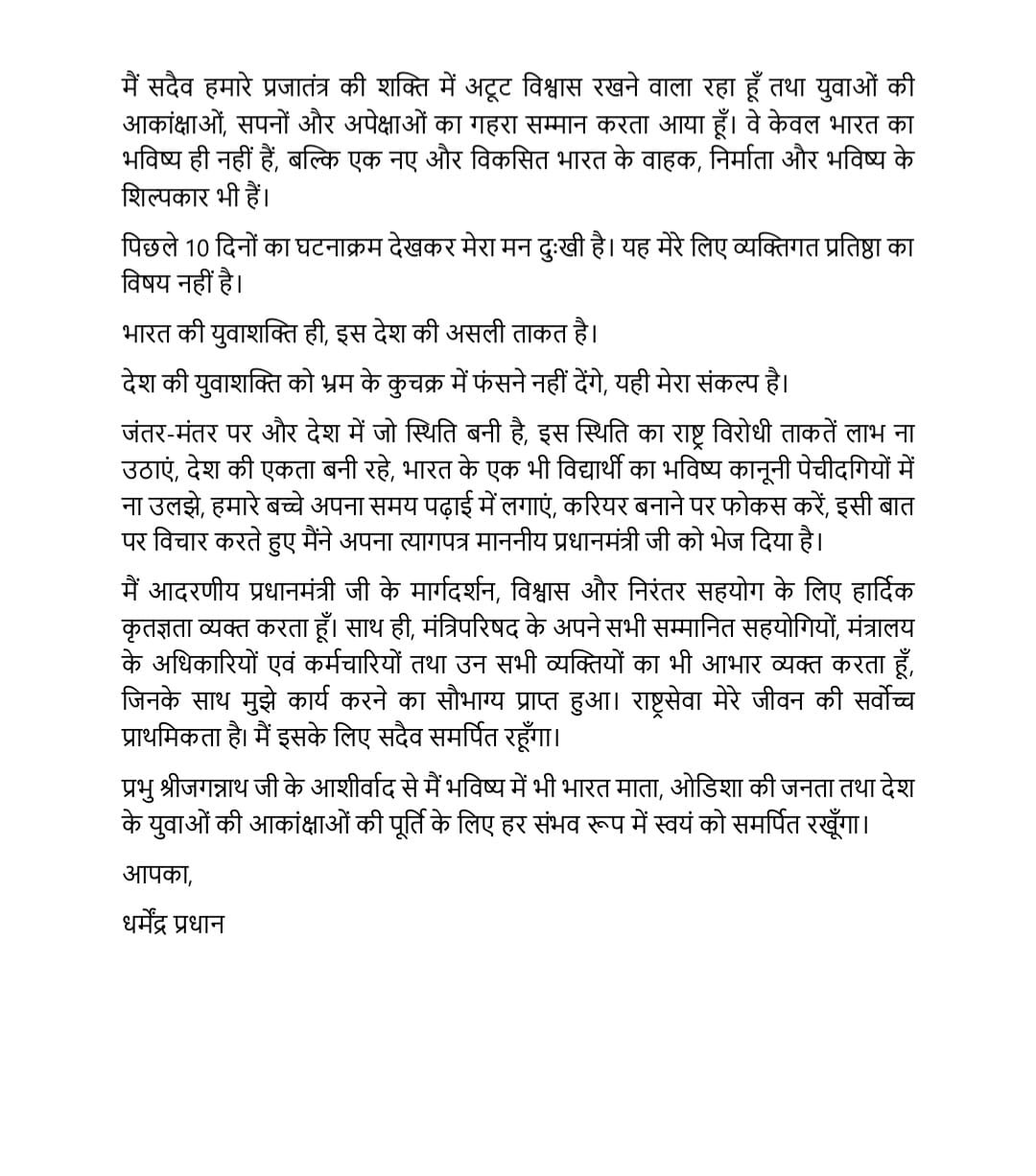
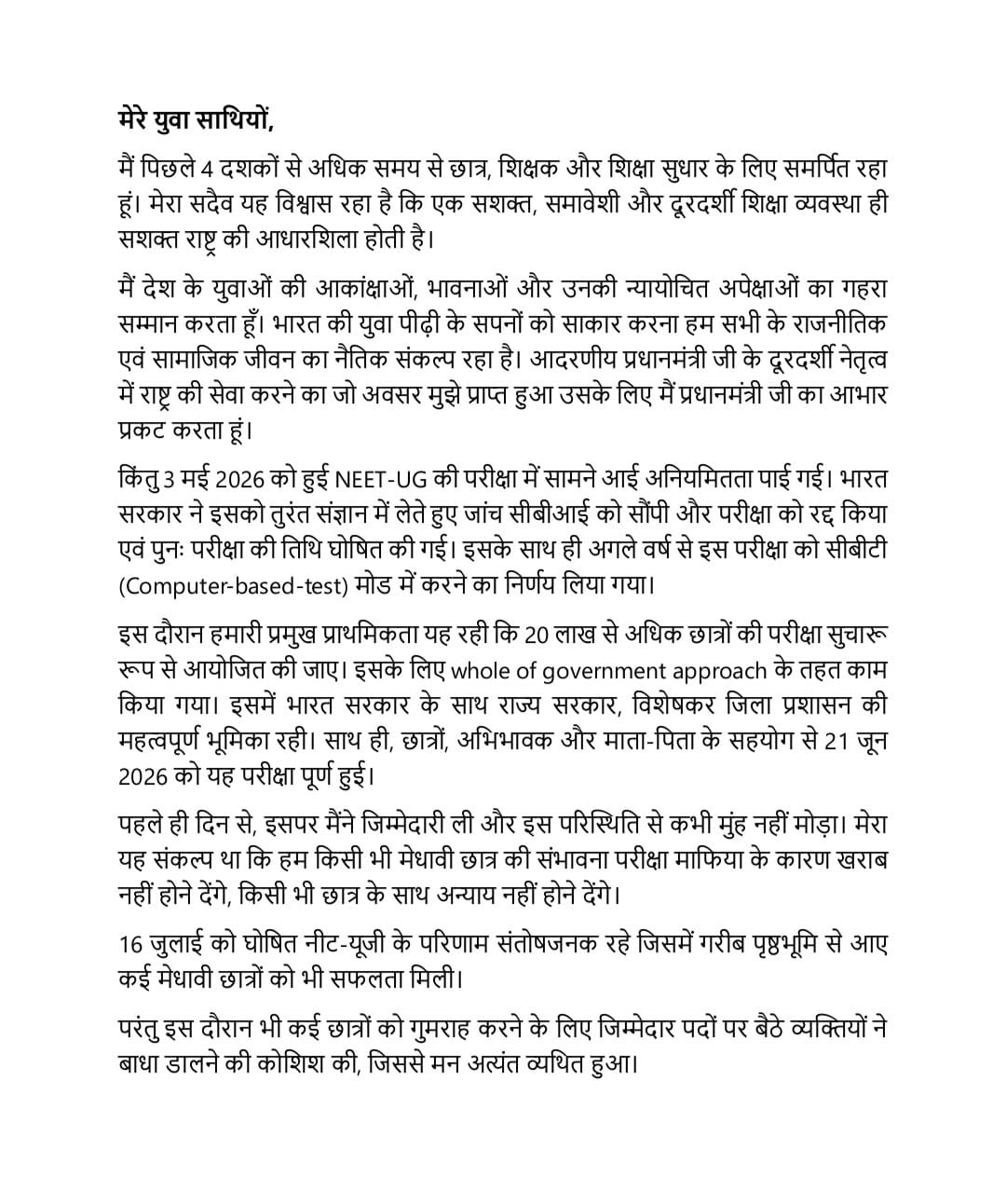
Dharmendra Pradhan Quits as Education Minister Amid Nationwide Student Protests

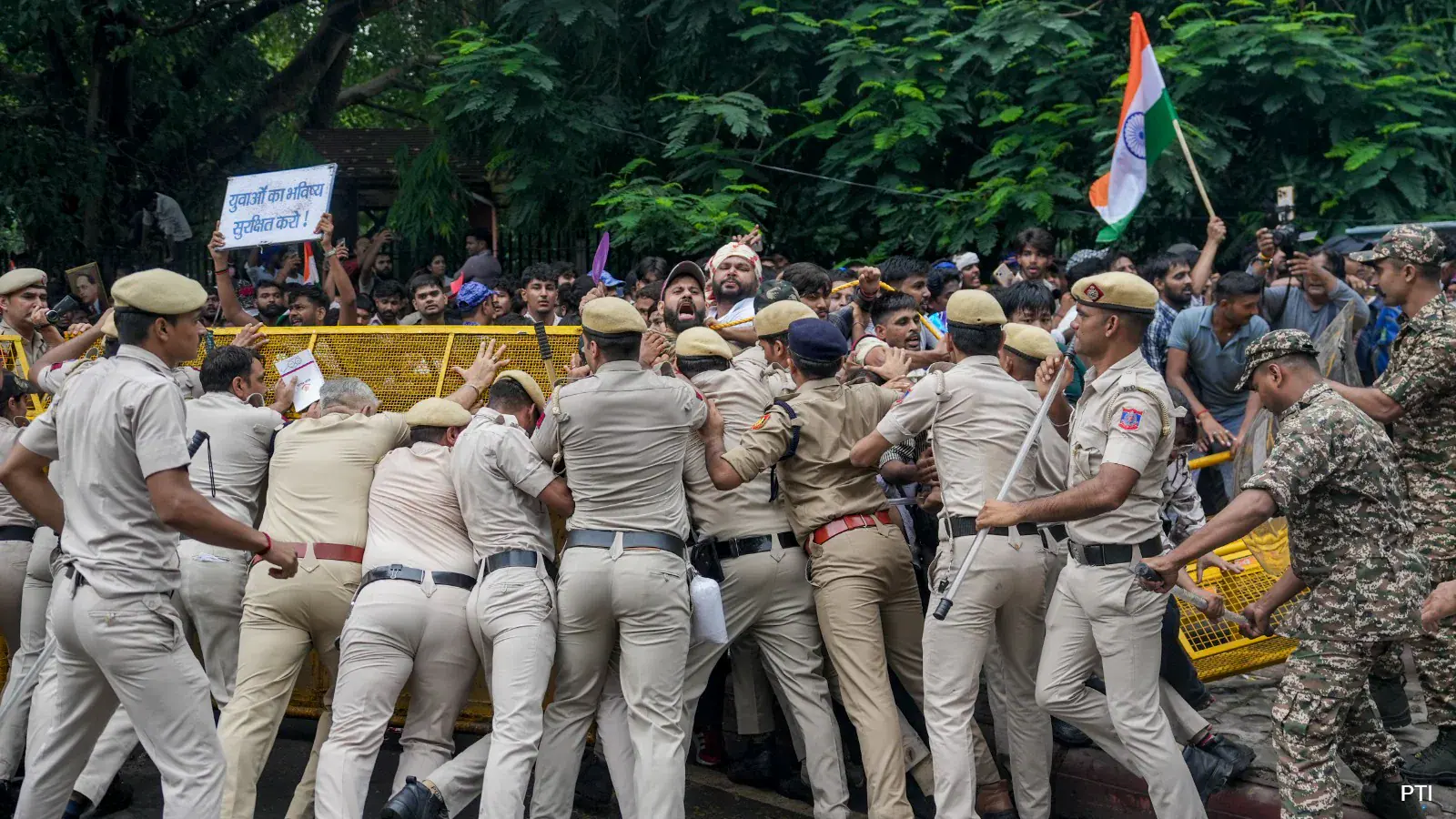
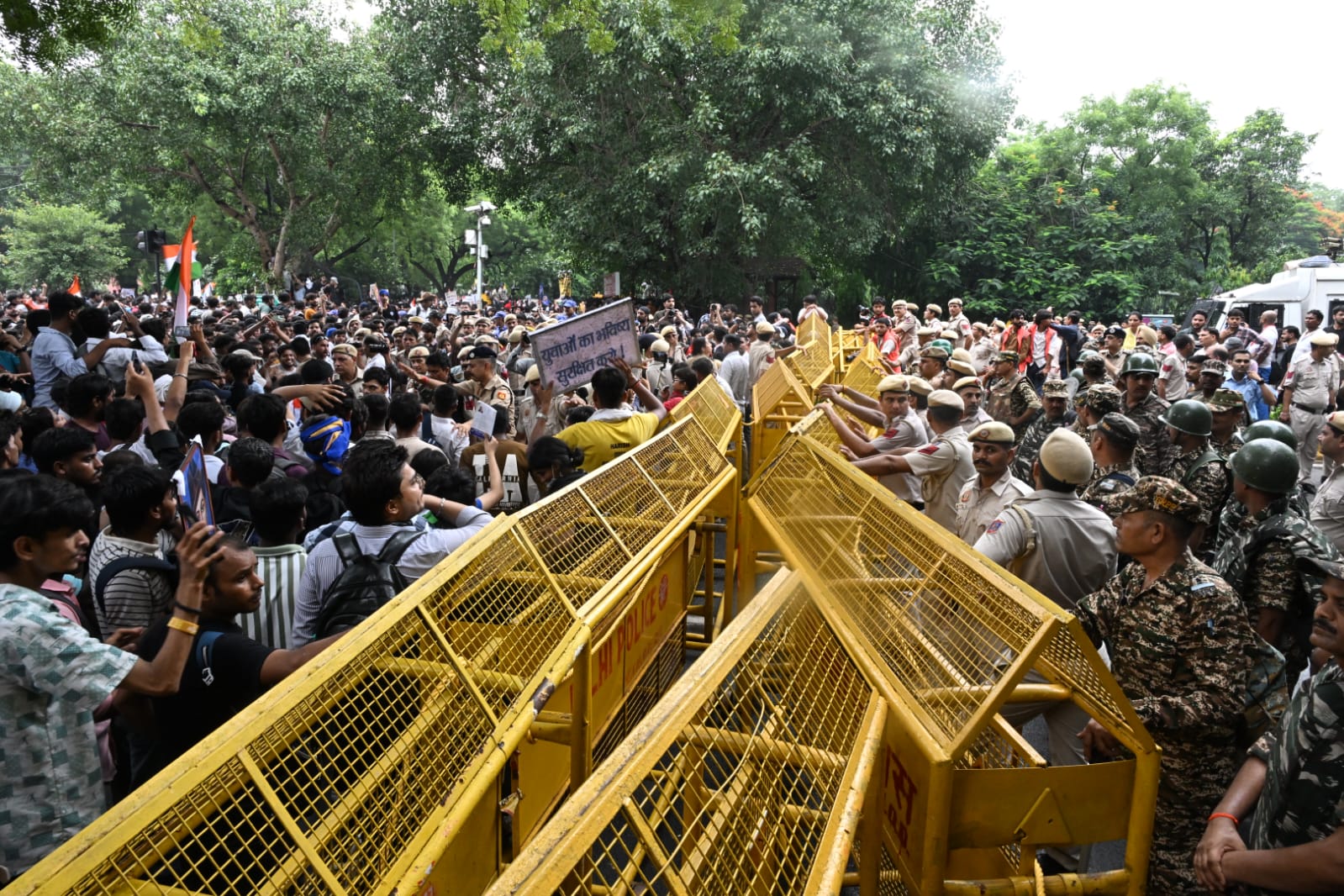
India's Education Minister Dharmendra Pradhan resigned on Saturday, July 25, after weeks of youth-led protests demanding he step down over exam paper leaks. He handed his resignation letter to Prime Minister Narendra Modi, though Modi has not yet formally accepted it. The protests began after India's medical entrance exam, NEET, had to be cancelled in May because its question papers were leaked. About two million students had taken the exam, and the cancellation caused huge stress among students, with around a dozen suicides linked to it. A retest was later held in June and results came out in mid-July, but the anger did not die down. The anger turned into a big movement called the "Cockroach Janta Party." It started in May as a joke after India's Chief Justice made a comment that many young people felt compared frustrated, jobless youth to cockroaches. Students took the insult and turned it into a protest symbol. The group grew fast on social media and became the voice for young people angry about exam leaks and lack of jobs. Protesters camped for weeks at Jantar Mantar in Delhi. On July 20, thousands tried to march towards Parliament, and police used tear gas and baton charges to stop them. Many protesters and police officers were injured. Videos of the clash spread online and made even more people join the protests. Opposition parties also joined in support, and Parliament was disrupted over the issue. Until this week, Modi had refused to remove Pradhan despite the pressure, which is normal for how he handles such situations. But the resignation finally came after continued protests, support from public figures. It is still not clear who will replace Pradhan as education minister or if this will fully satisfy the protesters, who also want changes to stop future exam leaks. Pradhan, 56, has been a minister in Modi's government since 2014 and held the education portfolio since 2021.

India orders GitHub to Block Decentralized Messaging App Bitchat over security concerns

24 July 2026

India orders GitHub to Block Decentralized Messaging App Bitchat over security concerns

The Indian Cyber Crime Coordination Centre (I4C), under the Ministry of Home Affairs (MHA), has directed GitHub to remove or disable access to repositories linked to the decentralized messaging application Bitchat. The order, issued on July 23, 2026, was made under Section 79(3)(b) of the Information Technology Act, 2000, read with Rule 3(1)(d) of the IT Rules, 2021, which empowers the government to require intermediaries to remove unlawful content. The notice targets three GitHub repositories hosting the application's source code and Android releases. GitHub has been instructed to block access to the identified URLs within three hours of receiving the communication, failing which it may lose the legal protections available to intermediaries under Indian law. According to the government, Bitchat is a decentralized communication platform that allows users to exchange messages through Bluetooth mesh networks, enabling communication without internet connectivity, mobile networks, centralized servers, user registration, phone number verification, or central logging systems. Authorities have raised concerns that the application's architecture makes lawful interception, user identification, and criminal investigations significantly more difficult. Since communication occurs directly between nearby devices, law enforcement agencies may be unable to access subscriber information, communication records, or other data typically available from service providers during investigations. The order states that such decentralized platforms could potentially be misused for coordinating unlawful activities, including violent protests, dissemination of misinformation, radicalization, criminal conspiracies, organized crime, and terrorism-related activities. Officials also expressed concern that the platform can continue functioning during internet shutdowns or communication restrictions, allowing users to bypass measures imposed by authorities. The government has classified the content hosted in the repositories as unlawful, citing provisions of the Information Technology Act, 2000 (Sections 43, 84B and 84C) and the Bharatiya Nyaya Sanhita, 2023 (Section 61 read with Sections 196 and 197). Based on these provisions, GitHub has been ordered to remove or disable access to the repositories while preserving evidence. The action highlights growing concerns among authorities regarding decentralized and anonymous communication technologies. While supporters argue that such technologies enhance privacy and communication resilience, the government maintains that they can also be exploited by criminal and anti-national elements, posing risks to public order, national security, and law enforcement efforts.

20 July 2026

CJP Protest and Dharmendra Pradhan’s Resignation: Will a Minister’s Head Fix India’s Broken Exam System?

On Monday, July 20, 2026, thousands of young protesters gathered at Jantar Mantar in Delhi for the Cockroach Janta Party’s (CJP) “Sansad Chalo” march. They tried to move towards Parliament to demand education reforms and the resignation of Union Education Minister Dharmendra Pradhan. Police did not allow the march, and there were clashes, baton-charges, and injuries to over 50 police personnel. Videos of protesters being beaten went viral, adding to the anger. The CJP protest began as a satirical online campaign after a senior judge reportedly compared unemployed and activist youth to “cockroaches” and “parasites”. Young people adopted the term ironically, dressing as cockroaches and turning it into a symbol of resistance. Over time, the movement grew into a major Gen Z-led mobilization against unemployment, expensive coaching, and what they see as a broken education-to-employment system. The immediate trigger was the repeated failure of national exams. In 2026, the NEET-UG medical entrance exam faced serious allegations of paper leaks, cancellation, and re-conduct, causing huge stress among aspirants. Reports link this pressure to the deaths of around 20 students by suicide. Similar controversies have hit UGC-NET, CUET, and CBSE Class 12 exams, including problems with on-screen marking, missing answer sheets, and sudden drops in pass percentages. Protesters hold Education Minister Dharmendra Pradhan morally responsible for these failures. They say that under his leadership since July 2021, the National Testing Agency (NTA) and CBSE have repeatedly failed lakhs of students. A group of 73 retired civil servants wrote an open letter saying the integrity of apex testing bodies is “completely compromised” and demanded that Pradhan either resign or be removed from his charge. The CJP and allied student groups are demanding resignation of Dharmendra Pradhan as Union Education Minister, scrap or thorough reform of the National Testing Agency (NTA), independent and transparent inquiries into every major exam scandal with real accountability, a clear and fixed calendar for national exams and government recruitment to reduce uncertainty, and reforms in primary and higher education, regulation of the coaching industry, and better mental health support for students. Some opposition parties, including Congress, have also demanded Pradhan’s resignation, accusing the government of presiding over a “full-scale collapse of credibility” in India’s examination system. Critics say Pradhan is a failed minister. They point to repeated paper leaks and exam mismanagement in NEET, UGC-NET, CUET, and CBSE, controversial policies like the three-language formula and rapid digital changes in CBSE evaluation that caused confusion and lower scores, and harsh political rhetoric against opponents, which many students see as insensitive to their struggles. Supporters and the government say he is not a bad minister. They highlight Pradhan’s role in pushing the National Education Policy (NEP) 2020, which aims to modernize India’s education system, attempts to reform NTA and set up expert committees, including one led by former ISRO chief K. Radhakrishnan, to improve exams, and the argument that fixing decades-old problems in a huge, complex system takes time and cannot be blamed on one minister alone. Most experts and even some protesters say that if Pradhan resigns, the issue will not get solved by itself. A resignation could bring symbolic accountability, showing that the top leadership admits something went seriously wrong, and a political reset, allowing the government to appoint a new minister and promise a “fresh start”. But the core problems would remain, including structural weaknesses in NTA, CBSE, and other exam bodies, recurring paper leaks, technical glitches, and policy U-turns, conflicts over NEP, language policy, and evaluation methods, and extreme pressure on students, costly coaching, and limited job opportunities. As one protester at Jantar Mantar said, “Pradhan’s resignation alone won’t fix the education system.” What is needed, he argued, is concrete action on paper leaks, better primary education, regulation of coaching centers, and a healthier approach to marks and academic pressure. For the protests’ demands to be met in a meaningful way, most analysts suggest a package of measures: independent and credible inquiries into each major exam scandal with transparent reports and real punishment for those responsible, a thorough overhaul or replacement of NTA with a more professional and transparent testing agency, a fixed and predictable exam and recruitment calendar so students are not left in constant uncertainty, genuine dialogue with states, student bodies, and experts on contentious issues like language policy and NEP implementation, and steps to reduce student stress through better counselling, regulation of coaching centers, and more diverse career options beyond a few high-stakes exams. In this view, Pradhan’s resignation could be one step in a larger accountability process, but it will not “solve” the crisis unless it leads to deeper institutional and policy reforms. For India’s youth, the message is clear: they do not just want a minister’s head. They want a system that does not repeatedly break their dreams.