Report
CJP Protest and Dharmendra Pradhan’s Resignation: Will a Minister’s Head Fix India’s Broken Exam System?
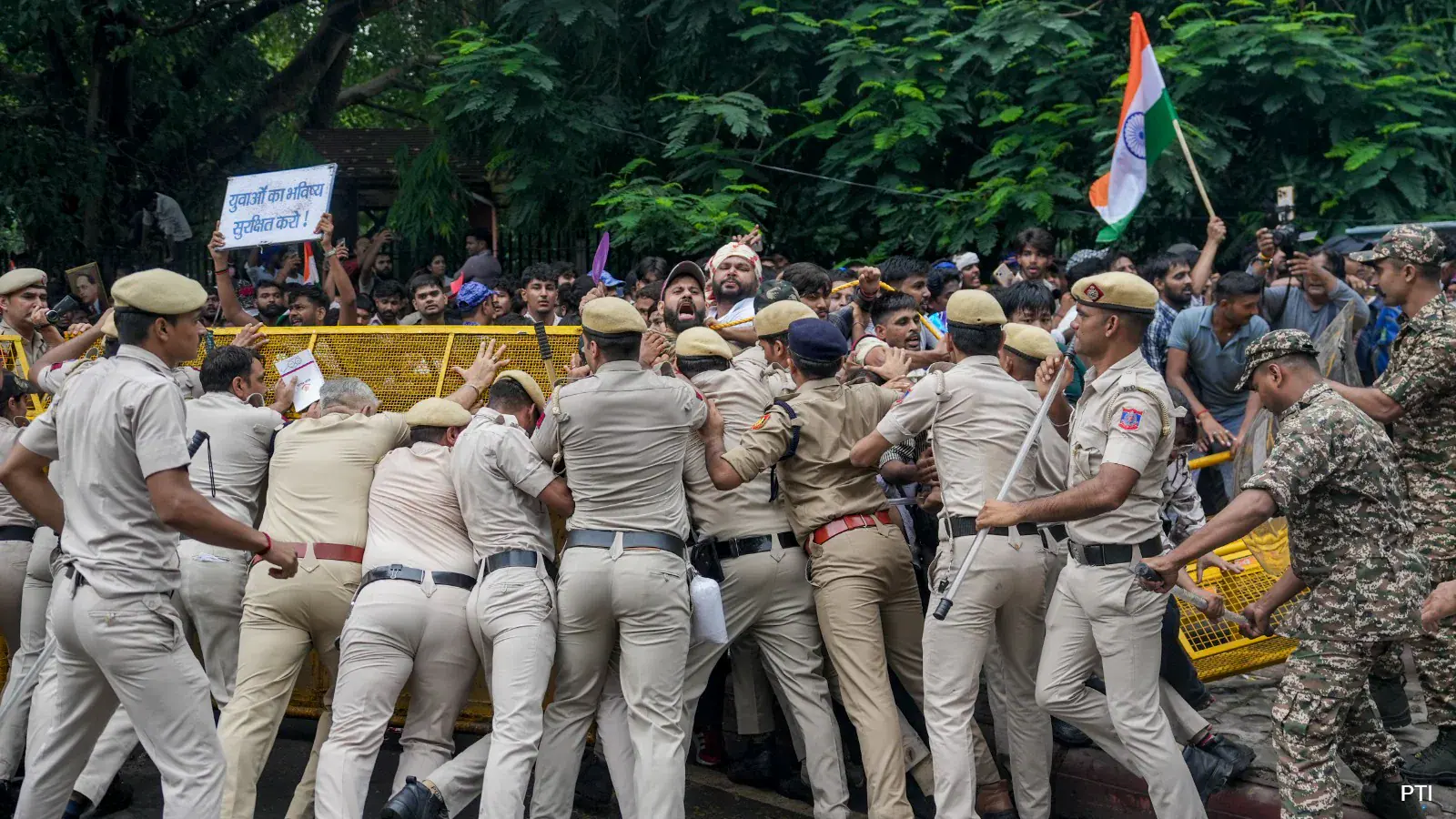
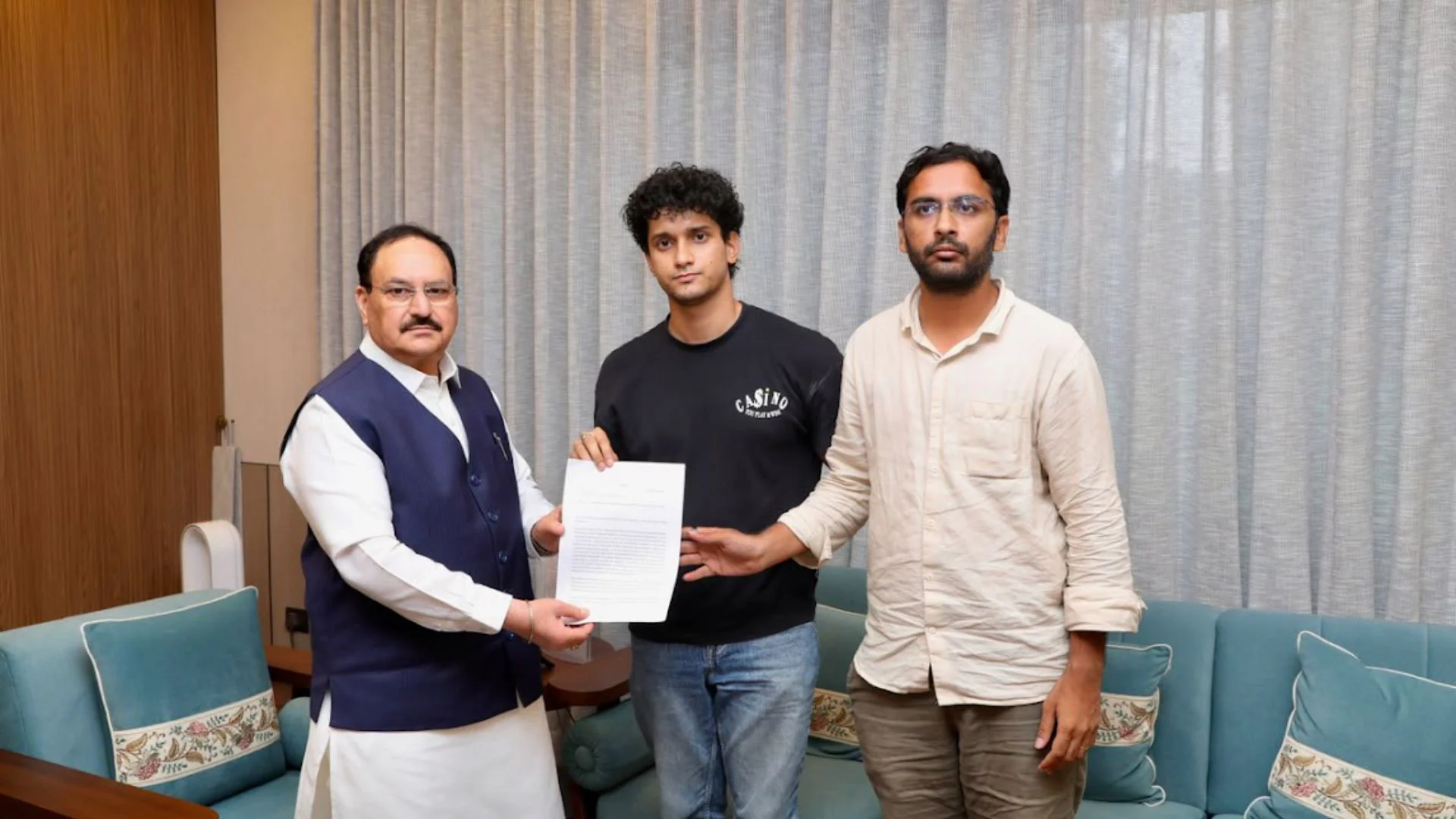
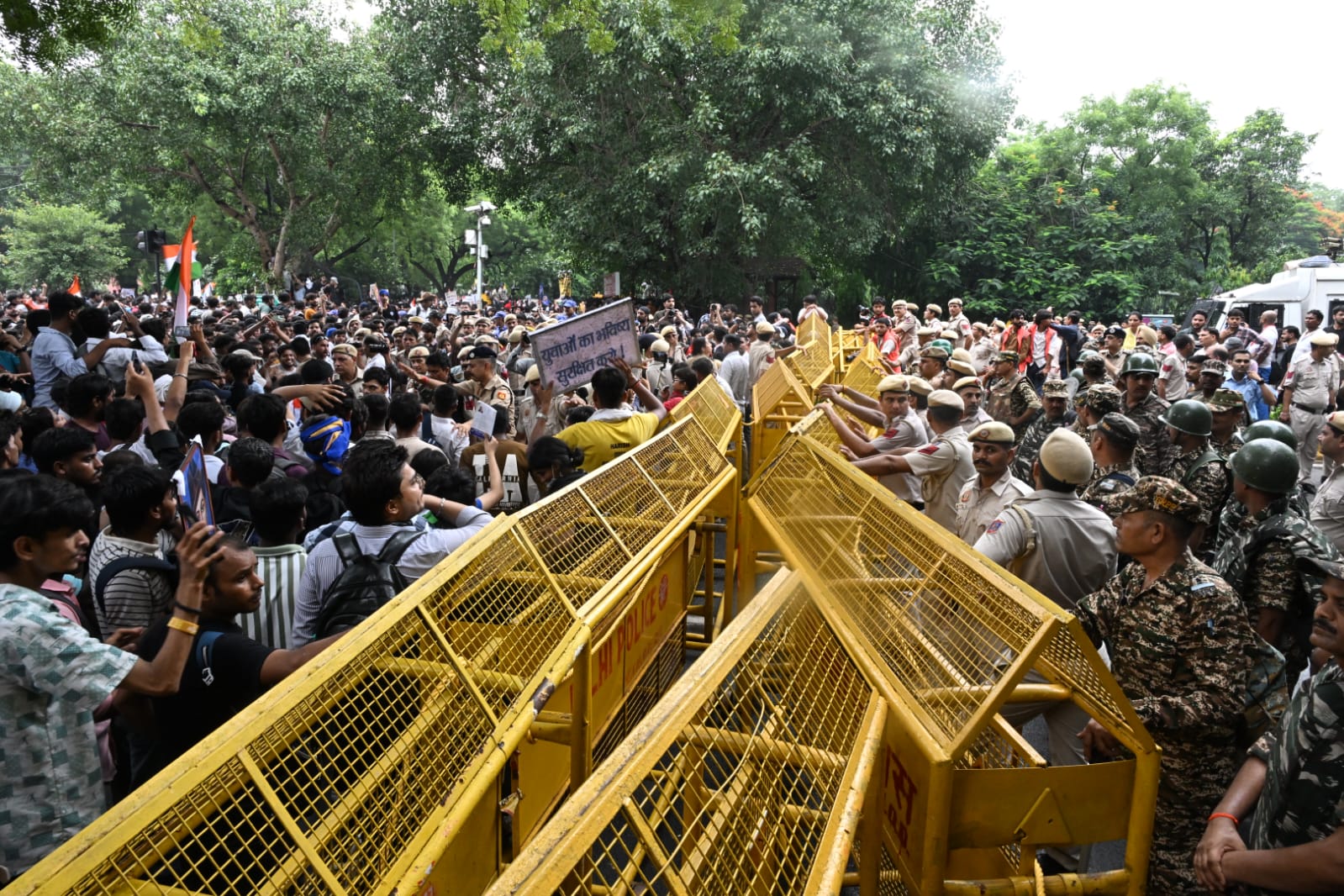
On Monday, July 20, 2026, thousands of young protesters gathered at Jantar Mantar in Delhi for the Cockroach Janta Party’s (CJP) “Sansad Chalo” march. They tried to move towards Parliament to demand education reforms and the resignation of Union Education Minister Dharmendra Pradhan. Police did not allow the march, and there were clashes, baton-charges, and injuries to over 50 police personnel. Videos of protesters being beaten went viral, adding to the anger.
The CJP protest began as a satirical online campaign after a senior judge reportedly compared unemployed and activist youth to “cockroaches” and “parasites”. Young people adopted the term ironically, dressing as cockroaches and turning it into a symbol of resistance. Over time, the movement grew into a major Gen Z-led mobilization against unemployment, expensive coaching, and what they see as a broken education-to-employment system.
The immediate trigger was the repeated failure of national exams. In 2026, the NEET-UG medical entrance exam faced serious allegations of paper leaks, cancellation, and re-conduct, causing huge stress among aspirants. Reports link this pressure to the deaths of around 20 students by suicide. Similar controversies have hit UGC-NET, CUET, and CBSE Class 12 exams, including problems with on-screen marking, missing answer sheets, and sudden drops in pass percentages.
Protesters hold Education Minister Dharmendra Pradhan morally responsible for these failures. They say that under his leadership since July 2021, the National Testing Agency (NTA) and CBSE have repeatedly failed lakhs of students. A group of 73 retired civil servants wrote an open letter saying the integrity of apex testing bodies is “completely compromised” and demanded that Pradhan either resign or be removed from his charge.
The CJP and allied student groups are demanding resignation of Dharmendra Pradhan as Union Education Minister, scrap or thorough reform of the National Testing Agency (NTA), independent and transparent inquiries into every major exam scandal with real accountability, a clear and fixed calendar for national exams and government recruitment to reduce uncertainty, and reforms in primary and higher education, regulation of the coaching industry, and better mental health support for students. Some opposition parties, including Congress, have also demanded Pradhan’s resignation, accusing the government of presiding over a “full-scale collapse of credibility” in India’s examination system.
Critics say Pradhan is a failed minister. They point to repeated paper leaks and exam mismanagement in NEET, UGC-NET, CUET, and CBSE, controversial policies like the three-language formula and rapid digital changes in CBSE evaluation that caused confusion and lower scores, and harsh political rhetoric against opponents, which many students see as insensitive to their struggles. Supporters and the government say he is not a bad minister. They highlight Pradhan’s role in pushing the National Education Policy (NEP) 2020, which aims to modernize India’s education system, attempts to reform NTA and set up expert committees, including one led by former ISRO chief K. Radhakrishnan, to improve exams, and the argument that fixing decades-old problems in a huge, complex system takes time and cannot be blamed on one minister alone.
Most experts and even some protesters say that if Pradhan resigns, the issue will not get solved by itself. A resignation could bring symbolic accountability, showing that the top leadership admits something went seriously wrong, and a political reset, allowing the government to appoint a new minister and promise a “fresh start”. But the core problems would remain, including structural weaknesses in NTA, CBSE, and other exam bodies, recurring paper leaks, technical glitches, and policy U-turns, conflicts over NEP, language policy, and evaluation methods, and extreme pressure on students, costly coaching, and limited job opportunities.
As one protester at Jantar Mantar said, “Pradhan’s resignation alone won’t fix the education system.” What is needed, he argued, is concrete action on paper leaks, better primary education, regulation of coaching centers, and a healthier approach to marks and academic pressure. For the protests’ demands to be met in a meaningful way, most analysts suggest a package of measures: independent and credible inquiries into each major exam scandal with transparent reports and real punishment for those responsible, a thorough overhaul or replacement of NTA with a more professional and transparent testing agency, a fixed and predictable exam and recruitment calendar so students are not left in constant uncertainty, genuine dialogue with states, student bodies, and experts on contentious issues like language policy and NEP implementation, and steps to reduce student stress through better counselling, regulation of coaching centers, and more diverse career options beyond a few high-stakes exams.
In this view, Pradhan’s resignation could be one step in a larger accountability process, but it will not “solve” the crisis unless it leads to deeper institutional and policy reforms. For India’s youth, the message is clear: they do not just want a minister’s head. They want a system that does not repeatedly break their dreams.